Skyrex Productions
Updated: October 22, 2026
You can shoot a corporate video beautifully, edit it cleanly and still have nobody remember it. The usual cause is a story that feels far from the viewer. The company explains what it does, shows its facilities, introduces its executives and lists its achievements. The audience gets no reason to care. And this is definitely not something you may call corporate video with a great story telling.
The videos that stick use production quality to support the story. They don’t let it become the story.
Why most corporate videos are forgettable
Most start the same way: a wide shot of the facility, a logo, an executive interview and a polished explanation of the business. Nothing’s wrong with that structure. The trouble starts when the whole video is built around information. Nobody remembers a list of services or a stack of claims.
People remember a person, a problem, a change, or one moment that made the business feel human. Build your video around one of those.
Great production can’t fix a weak story
Good cameras, controlled lighting, colour grading and motion graphics make a video more credible and easier to watch. They can’t rescue a weak narrative. A beautifully shot interview is still just an interview if the person has nothing interesting to say. A drone shot shows the scale of a facility without saying why the facility matters.
Let the story decide what’s worth shooting well. Then let production make it land.
Find the story behind the company
Start with one question: what’s the story behind this organisation? It might be a hard problem the team had to solve. It might be a founder who built the company from an unusual starting point, employees who keep a complex operation running, or customers whose lives changed because of the work.
Your business stays at the centre, but it doesn’t always have to be the hero. People care about people. An honest customer experience, a real employee’s view or an unscripted behind-the-scenes moment can beat a carefully written corporate statement.
Start with people, not the company
Introduce the people behind the organisation before you explain everything it does. An engineer describing why a problem was hard to solve tells a viewer more about a manufacturer than several paragraphs of messaging. A team member talking through a demanding project shows expertise without anyone announcing that the company is an industry leader.
Viewers believe it because they’re seeing the company through real experience, not promotional language.
Let people speak like people
Putting a camera in front of an employee doesn’t make a video authentic. A heavily scripted interview feels artificial even when the person is genuine. Give people room to explain things in their own words.
You still need structure: preparation, direction and good questions. But the final cut should sound like someone explaining something they know, not reciting a script. Natural language usually sounds more credible than perfect language.
Put something at stake
Every good story has tension. In business it doesn’t need to be dramatic. It can be a technical problem, a tight deadline, a big expansion, a hard decision, a customer challenge or a change inside the company.
Without it, viewers have no reason to keep watching. Show what had to be achieved, what stood in the way and what changed.
Show it, don’t just say it
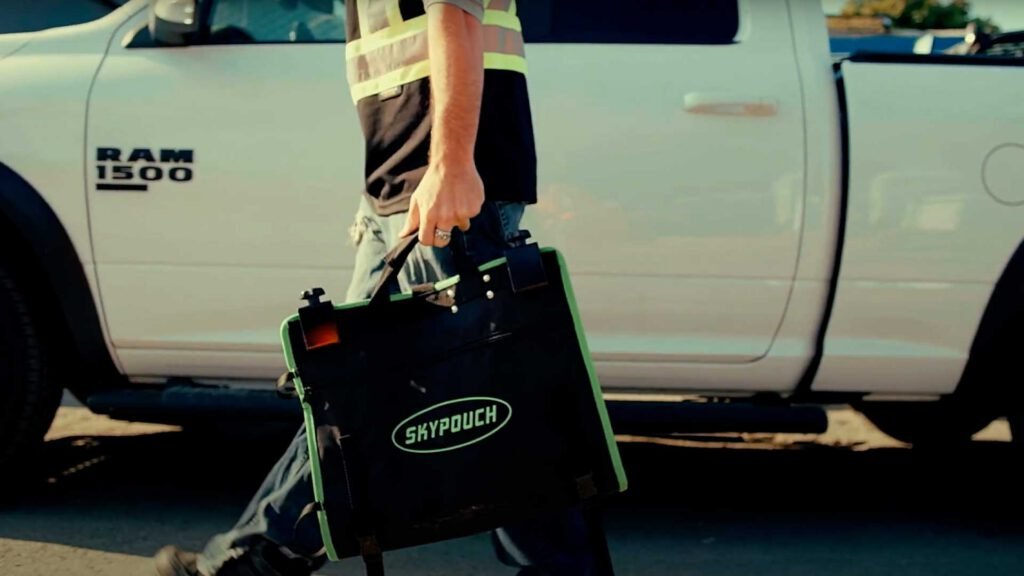
Make the visuals prove the message instead of decorating a voiceover. If the company talks about precision, show the process that demands it. If it talks about collaboration, show people working together. If it talks about innovation, show where that innovation actually happens.
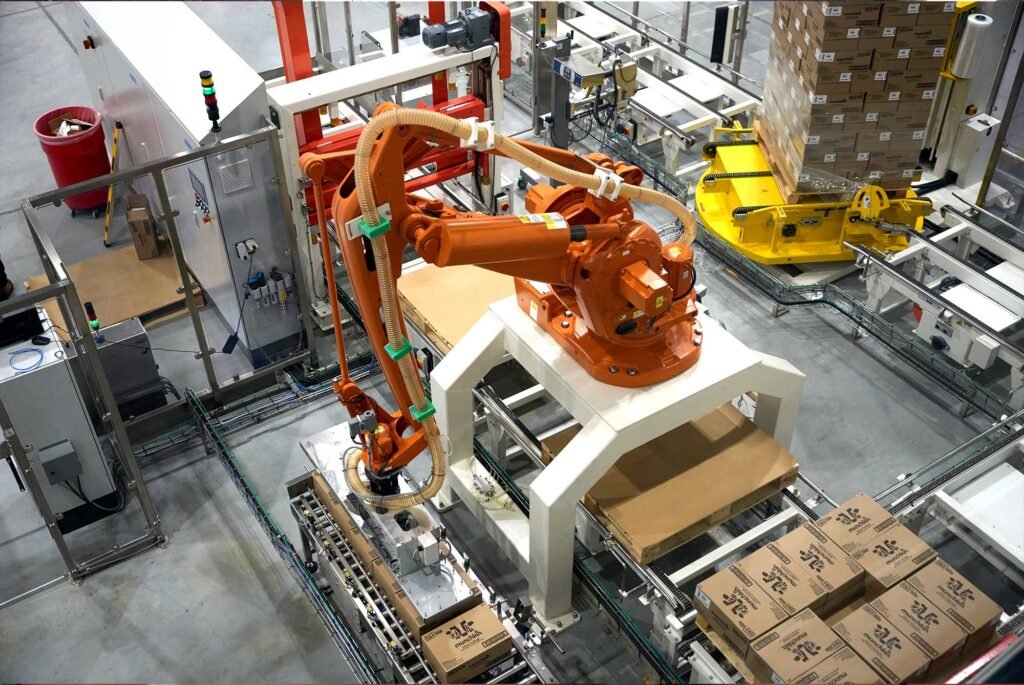
This matters most for industrial and technical businesses. Factories, engineering processes, equipment and skilled workers communicate complexity that words can’t. Treat the environment as part of the story, not background footage.
Make it feel less like a “corporate video”
The phrase suggests something formal, predictable and heavily scripted. Viewers are used to documentaries, creator content, behind-the-scenes footage and short-form video, and that has changed what they find engaging.
You don’t have to imitate social media. Borrow what makes that content work: clarity, personality, visual evidence and a reason to keep watching. Keep it professional, and let the professionalism serve the story.
Decide the central idea before you film
Engagement gets decided before the camera’s on. Settle three things first: what the audience needs to understand, what they should feel and what they should remember when the video ends. Those answers shape your interviews, locations, visuals and edit.
Give the video one central idea. Not every scene needs a new message. The elements should all reinforce the same story, so the video feels planned instead of assembled from good footage.
Choose the right interviews
The interview is usually where the story starts, and the best ones often aren’t with the most senior executives. They’re with the people who lived the subject. An employee who’s spent years on a specific problem usually gives you better material than an executive reading a polished overview. A customer who felt the effect of a product adds a view the company can’t create for itself.
Your production team then shapes those conversations into a story through editing, supporting footage and structure.
Use the place where the work happens
Offices, factories, warehouses, labs, construction sites and production floors make a story specific and believable. They also show what an interview can’t: the machinery, movement, people and process, so you don’t have to explain every detail. That’s why documentary-style video works well for businesses with complex operations.
Don’t over-edit the human moments
Editing should give the video rhythm and clarity. Overdo it and you cut out the imperfections that make a story believable. A pause before an important answer, a moment of reflection or a natural reaction can say more than another polished transition.
Every second should contribute to the story. It doesn’t have to look perfect. Know when to build momentum and when to leave a real moment alone.
AI and the future of corporate video
AI can help with transcription, research, captions, organising content, rough edits and versioning. It speeds up the workflow and frees your team for creative decisions. Faster doesn’t mean authentic.
As AI-generated images, voices and video get easier to make, audiences may put more value on proof that something is real: real employees, real locations, real processes and real experiences. The sensible model is human-led storytelling supported by AI tools, neither purely human nor purely generated.
AI can produce a polished visual. It can’t produce a company’s history, an employee’s experience or a business’s relationship with its customers. Those already exist, and your job is to find them and tell them well. When almost any company can make something that looks impressive, having something genuine to say sets you apart.
Give people a reason to care
The best corporate videos show why the work matters, who’s behind it and what makes the organisation worth remembering. That doesn’t take an elaborate story. Often it’s a simple idea told honestly: a person solving a hard problem, a team finishing an important project, a company adapting to a changing industry, or a customer describing how something changed the way they work.
Most organisations already have these stories. Finding them is the hard part.
Where professional production fits
Once the story’s clear, production gets more powerful. Cinematography sets scale and atmosphere. Lighting shapes the tone. Sound design makes environments feel immediate. Aerial footage adds context. Editing connects the moments into a narrative.
Each of those needs a creative reason to be there. Production should make the company’s story easier to understand, believe and remember, not just make the company look impressive.
Corporate video storytelling at Skyrex Productions
We start by working out what the video needs to communicate, before we decide what the camera captures. For a corporate story, that can mean spending time with the people who know the business from the inside, finding the experiences that show its character and choosing the places that make the story tangible.
The same approach applies to industrial video production, commercial and documentary work. The method changes with the subject. The aim stays the same: make a video that has a reason to exist.
If you are ready to stop losing bids to competitors with better video, let us talk.
Latest Posts
Internal Corporate Video Production: Guide for HR Teams
Why Your Non-Profit’s Next Event Needs a Mission Video (And How to Make It Count)
Video Production ROI: A Measurement Guide for CMOs
Commercial Documentary vs. Corporate Video: Which Is Right for Your Business?