Skyrex Productions
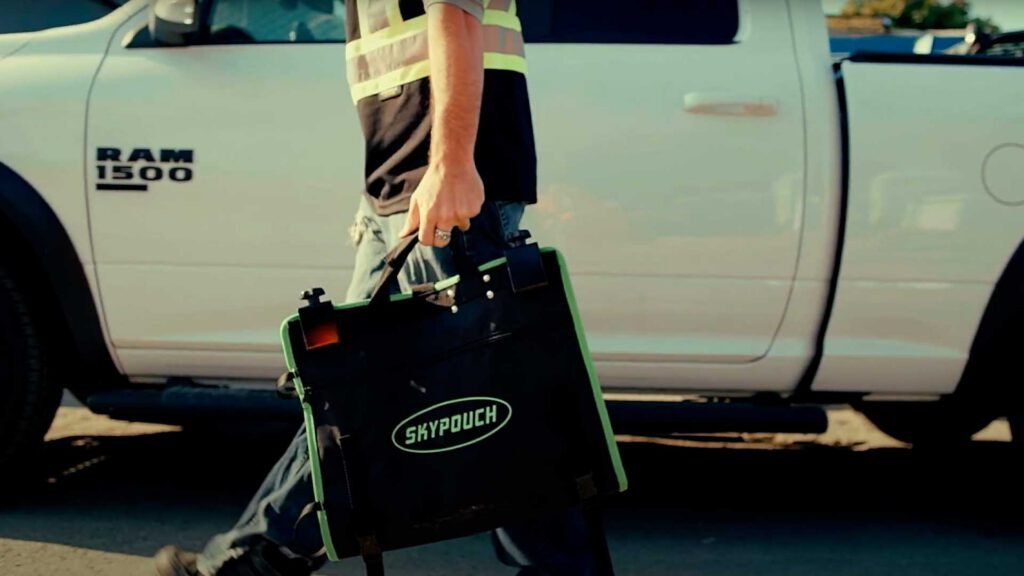
My brother and I started Skyrex Productions in 2020. Since then, we have filmed in auto shops, food processing plants, warehouses, and construction sites across the country. We have sat with plant managers, engineers, and procurement teams. We have watched them scroll through videos, skip past the ones that waste their time, and stop dead on the ones that actually tell them something useful.
Here is what we have learned. Manufacturing buyers do not watch videos the way consumers do. They are not looking to be entertained. They are looking to make a decision. And most industrial videos fail because they are built for the wrong audience, with the wrong goals, in the wrong format.
Let us break down what actually works and why so many get it wrong.
What Manufacturing Buyers Actually Watch
The data is clear about how B2B buyers consume video. Over 95% of B2B buyers now engage with video during their research. 8 out of 10 B2B buyers watch videos during their buying journey. 70% of B2B buyers watch videos during their purchasing journey.
But here is the catch. 75% of B2B buyers say they are watching more video ads than ever before. Only one in four say those ads are very effective. That is a massive gap between consumption and impact.
So what are manufacturing buyers actually watching?
1. Explainer and product demonstration videos
96% of people have watched an explainer video to learn more about a product or service. 98% of consumers watched explainer videos to learn more about a product or service, and 87% said videos had convinced them to buy.
For manufacturing, this matters because products are complex. A 90-second video can communicate what would take pages of technical documentation to explain.
Manufacturing buyers are not looking for flashy cinematography. They are looking for answers. How does this machine work? What problem does it solve? Why should I choose this over the competitor?
66% of marketers report that product videos outperform any other video content type.
2. Facility and factory tours
A high-quality factory tour video is no longer a nice-to-have. It is increasingly a competitive necessity.
Manufacturing buyers want to see where their products will be made. They want to see the equipment, the people, the processes. They want to know that your facility is clean, organized, and professional.
Video content increases website traffic by up to 80% and conversion rates by 20% for B2B suppliers. A well-produced facility tour does not just show your operation. It builds trust before the first sales call.
3. Process and capability videos
Manufacturing buyers need to understand your capabilities. What can you actually do? What makes you different? Process videos show advanced machinery, quality assurance steps, and finishing techniques.
The best process videos do not just show what you have. They show what you can solve for the customer. B2B manufacturing communication needs translation. Taking complex technical language and turning it into language the customer understands.
4. Testimonial and case study videos
Video testimonials and case studies build trust. Real customers telling real stories. 93% of decision-makers want to see video content from a brand. 66% say they are more likely to consider a product after watching a relevant video.
In manufacturing, where purchases involve multiple stakeholders, video testimonials can be shared internally. An entire buying team may decide to pursue or not pursue a supplier based on video content alone.
5. Short-form social video
Short-form social video content delivers the highest return on investment at 41%. LinkedIn is now B2B’s number one video channel. Eight in ten teams say LinkedIn is their primary place to share videos.
Manufacturing buyers are consuming content on LinkedIn. That is where they research, evaluate, and make decisions. If your video is not there, your competitors are.
Why Most Industrial Videos Fail
If the demand is so high, why do so many industrial videos fail? Here is what we have seen across dozens of projects.
1. They are built for the wrong audience
Most industrial videos are built like consumer ads. Beautiful shots. Emotional music. A slow build to a logo reveal.
Manufacturing buyers do not have time for that. They want information. They want to see the product, the process, the facility. They want to know what you can do for them.
B2B videos need to be built for evaluation, not entertainment.
2. They waste the first few seconds
The first 4 to 6 seconds of video carry critical importance. Do not waste them with branding. Start with an insight, a statistic, or a question that engages viewers immediately.
Manufacturing buyers are busy. If you do not hook them in the first few seconds, they will scroll past. No second chances.
3. They are too salesy
44% of B2B buyers distrust content that feels too salesy. Manufacturing buyers are skeptical. They have been pitched to before. They can smell a sales pitch from a mile away.
The most effective industrial videos do not sell. They inform. They educate. They demonstrate. They let the product and the process speak for themselves.
4. They lack consistency
Most B2B companies make the mistake of having too many video types and too many people appearing in their videos. Zero consistency. Every upload is something completely different from the last. It becomes difficult to build traction.
Manufacturing buyers need to recognize your brand. They need to know what to expect. Inconsistent video content confuses them and dilutes your message.
5. They do not create emotional connection
When videos fail to create an emotional connection, they are less effective. But here is the thing about manufacturing. The emotion is not in the product. It is in the people. The pride. The precision. The problem that gets solved.
Manufacturing videos that show the people behind the product, the craftsmanship, the care, those are the ones that connect.
6. They are too long and unfocused
Manufacturing buyers do not have time for ten-minute videos that take five minutes to get to the point. They want concise, clear, and focused content.
Messaging broken down into clear, visual steps drives 13% higher dwell times. Short, process-oriented videos outperform long, meandering ones.
7. They are not shared where buyers are looking
LinkedIn dominates the B2B creator space, with 59% of buyers consuming creator content through the platform. Yet many industrial companies still treat video as a website-only asset.
If your video is not on LinkedIn, it is not being seen by the people who matter.
What Actually Works
Based on everything we have learned, here is what actually works for manufacturing video.
Show, do not tell.
Do not talk about your quality standards. Show the inspection process. Do not talk about your precision. Show the CNC machine in action. Do not talk about your team. Show them doing the work.
Answer the buyer’s questions.
Manufacturing buyers have a list of questions. Can you do what I need? Can you do it on time? Can you do it within budget? Can I trust you?
Your video should answer those questions before they ask them.
Keep it real.
No actors. No scripts. No fake setups. Manufacturing buyers can spot a staged video instantly. They want to see your actual facility, your actual people, your actual processes.
Make it shareable.
An entire buying team may decide to pursue or not pursue a supplier based on video content alone. Your video needs to be something that a procurement manager can forward to an engineer, who can forward to a plant manager, who can forward to the decision-maker.
Distribute where buyers are.
LinkedIn is the new home of B2B creator content. Post your videos there. Share them in industry groups. Make them easy to find.
Focus on solving problems.
B2B manufacturing communication needs translation. Taking complex technical language and turning it into language the customer understands. Your video should not just show what you have. It should show what you can solve.
A Final Thought
My brother and I have been making industrial videos since 2020. We have filmed in auto shops, food processing plants, warehouses, and construction sites across the country. We have seen what works and what does not.
The companies that get it right understand one thing. Manufacturing buyers are not watching videos to be entertained. They are watching to make a decision. Your video needs to help them make that decision in your favor.
If your video does not answer their questions, demonstrate your capabilities, and build trust, it is not working. It is just content that no one watches.
Ready to Make a Video That Actually Works?
Send us a note. Tell us about your facility and what you want to achieve. We will reply fast and set up a call. No pressure. Just a conversation.
We create high-impact commercials, brand films, and documentaries for organizations on the frontlines of service, performance, and change. Content that captures attention, builds credibility, and drives real results.
Skyrex Productions is a video production company founded in 2020. We make industrial and manufacturing videos, corporate films, documentaries, and non-profit content for brands across the country. Real stories. Real people. Real work.
Latest Posts
Internal Corporate Video Production: Guide for HR Teams

Why Your Non-Profit’s Next Event Needs a Mission Video (And How to Make It Count)
Video Production ROI: A Measurement Guide for CMOs

Documentary vs. Commercial: Why Toronto Brands Are Choosing Documentary-Style Storytelling