Skyrex Productions
My brother and I started this company in 2020. We had a camera, a laptop, and a belief that good stories deserve to be told well. What we did not have was a track record. No portfolio. No client list. No reputation to lean on.
The first time we filmed a documentary, we walked into a room full of strangers and asked them to trust us with their stories. It was terrifying.
Six years and forty-five documentaries later, we have learned a few things about earning that trust. Some of it came from success. Most of it came from getting it wrong and figuring out why.
If you are starting out, here is what we wish someone had told us.
Show up early and stay late
Trust does not start when the camera turns on. It starts the moment you walk in the door. Show up before you are expected. Set up your gear quietly. Introduce yourself to everyone. Make eye contact. Smile. Ask how their day is going.
And stay after the shoot ends. Put your gear away. Say thank you to everyone. Leave the space the way you found it. People notice those things. They remember.
When we started, we were so focused on getting the shot that we forgot to be human first. That was a mistake. Now we show up with time to spare. We sit down. We have coffee. We talk about things that have nothing to do with the interview. That is where trust begins.
Put the camera down first
This is the most important thing we have learned.
When you walk into a room with a camera, people get nervous. They sit up straight. They choose their words carefully. They try to be interesting. That is not who they really are.
We spend time with subjects before we ever turn on the camera. Sometimes it is an hour. Sometimes it is an afternoon. We just talk. We ask about their kids, their weekend, what they had for breakfast. We let them forget we are there.
Then we pick up the camera.
The footage we get after that is completely different. It is relaxed. It is honest. It is real.
Explain why their story matters
People want to know they are not just content for you. They want to know their story actually matters to someone.
Before we film anyone, we tell them why we are making this documentary. What it will be used for. Who will see it. Why their voice is the one we need.
When we filmed with a farmer who had worked the same land for fifty years, we told him that his grandchildren would watch this someday. That they would see his hands and hear his voice and understand what he built. He opened up in a way he would not have if we had just shown up with a shot list.
People share more when they know their story has a purpose.
Let them speak at their own pace
This one took us a while to learn.
When we first started, we were nervous. We wanted to get the interview done. We would jump in with the next question as soon as someone paused. We were terrified of silence.
Now we do the opposite.
When someone finishes a thought, we stay quiet. We do not fill the space. We let them sit with their answer. Often they will fill the silence with something they would not have said otherwise. The best moments in our documentaries came after we stopped talking.
Do not rush people. Let them take their time. It is not awkward. It is respect.
Ask the dumb questions
This sounds counterintuitive. But it works.
When you ask simple questions, people feel smart answering them. They relax. They start to enjoy the conversation. And when they are relaxed, they share more.
We ask things like: What does your typical day look like? What do you love about this work? What made you get into this in the first place?
There are no dumb questions. There are only questions that make people feel comfortable enough to tell you the truth.
Handle the hard stuff with care
Sometimes documentary subjects share things that are painful. A health journey. A loss. A failure they almost did not survive.
When that happens, we do not push. We do not ask for more than they want to give. We do not use their pain for a better shot.
We sit with it. We thank them for sharing. We move at their pace. And we handle every frame of that footage with the respect it deserves.
We have filmed cancer survivors, families navigating loss, and people who lost everything and rebuilt from nothing. Every one of those stories taught us something. Empathy is not a word we throw around. It is the only way we work.
Follow through on what you promise
Trust does not end when the shoot ends. It ends when you deliver.
We tell every subject exactly what we are going to make. We show them the rough cut before anyone else sees it. We ask for their feedback. We make changes if something feels wrong to them.
And we deliver on time.
Nothing kills trust faster than a production company that disappears after the shoot. We do not do that. We stay in touch. We send updates. We make sure they see the finished product before it goes anywhere.
A few final thoughts
Earning trust with documentary subjects is not a skill you master once. It is something you work at every single project. It takes time. It takes patience. And it takes a genuine belief that the person in front of your camera matters.
When we started, we did not have a portfolio. We did not have a reputation. We just had a camera and a belief in good stories. That was enough. Because we showed up. We listened. We earned the right to point the camera.
That is what we still do today.
Ready to tell your story?
Send us a note. Tell us a little about the people behind your brand. We will reply fast and set up a call. No pressure. Just a conversation.
We create high-impact commercials, brand films, and documentaries for organizations on the frontlines of service, performance, and change. Content that captures attention, builds credibility, and drives real results.
Latest Posts
Internal Corporate Video Production: Guide for HR Teams
Why Your Non-Profit’s Next Event Needs a Mission Video (And How to Make It Count)
Video Production ROI: A Measurement Guide for CMOs
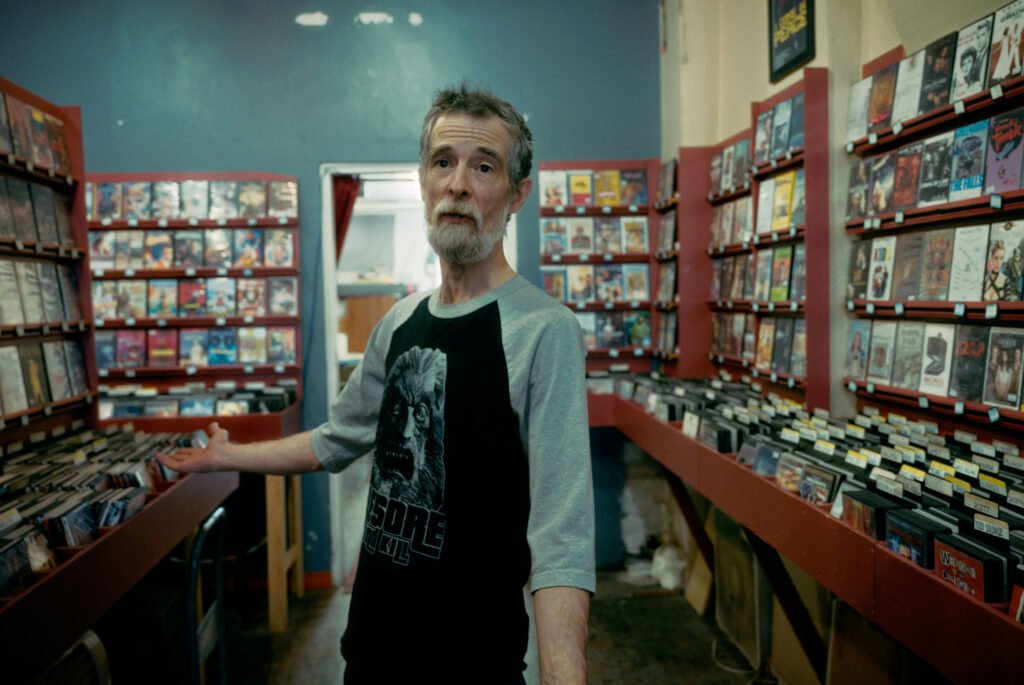
Documentary vs. Commercial: Why Toronto Brands Are Choosing Documentary-Style Storytelling
It’s really a cool and useful piece of info. I’m glad that you shared this helpful info with us. Please keep us up to date like this. Thanks for sharing.