How to Earn Trust with Documentary Subjects (Even When You Are Just Starting Out)
I still remember the first time I sat down with a documentary subject who had every reason not to trust me. They had been interviewed before by journalists who twisted their words and by filmmakers who turned their pain into spectacle. They looked at my camera like it was an intruder.
I had good gear. I had a solid shot list. But none of that mattered because the person on the other side of the lens did not believe I would treat their story with care.
That is the moment I learned something important. Documentary production Toronto is not about cameras. It is about connection. You can have the most expensive cinema camera in the world, but if your subject does not trust you, you will go home with nothing but polished footage of a closed door.
So how do you build that trust when you are just starting out? When you do not have a long reel of broadcast credits? When you are nervous yourself?
Let me walk you through what I have learned after years of documentary production Toronto work, from small non-profit films to projects that aired on national television.
Trust Is Earned Before You Even Unpack the Camera
Most beginners make the same mistake. They show up on shoot day, set up their lights, and then try to build a connection in the five minutes before they hit record. That is too late.
Trust starts in the first phone call. When you first reach out to a potential subject, do not talk about your gear or your vision. Talk about them. Ask about their story. Ask why they are willing to share it. Listen more than you speak. Let them feel that you see them as a person, not just content.
If you are working with a non-profit or a community organization, ask for an introduction through someone they already trust. A caseworker. A program director. A mutual contact. That warm handoff is worth more than any fancy demo reel.
And be honest about your experience. If you are just starting out, say so. But follow it up with what you do know. You know how to listen. You know how to handle footage with care. You know that the person’s dignity matters more than the shot.
People can smell insincerity. Do not fake confidence you do not have. Instead, be genuinely curious. That curiosity is its own form of confidence.
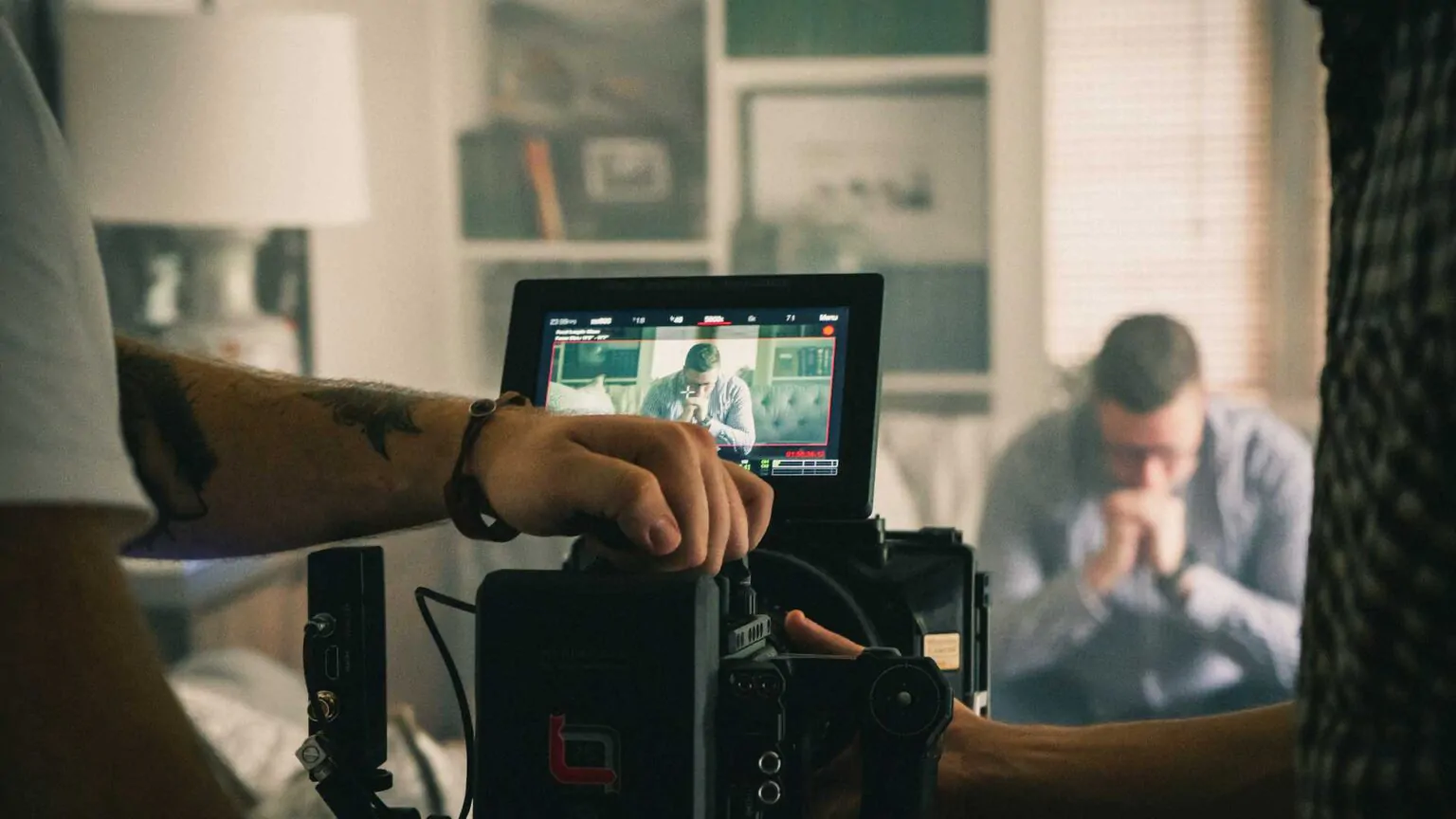
The Pre-Interview Is Your Secret Weapon
Before any real shoot, I always ask for a pre-interview. Sometimes it is a phone call. Sometimes it is a casual coffee. No cameras. No lights. No pressure.
This serves two purposes.
First, your subject gets to know you. They see that you are not scary. You are just a person who wants to understand their world. They can ask you questions too, about the process, about how the film will be used, about what to expect.
Second, you get to understand the shape of their story before you ever frame a shot. You learn what matters to them. You learn the moments that make their voice crack or their eyes light up. You learn what they do not want to talk about. That last part is just as important.
By the time you arrive with the camera, you are not a stranger anymore. You are someone they have already trusted enough to share an hour of their life with. The camera just becomes an extension of that conversation.
Create a Safe Physical Space
When you set up for an interview, think about how the room feels, not just how it looks.
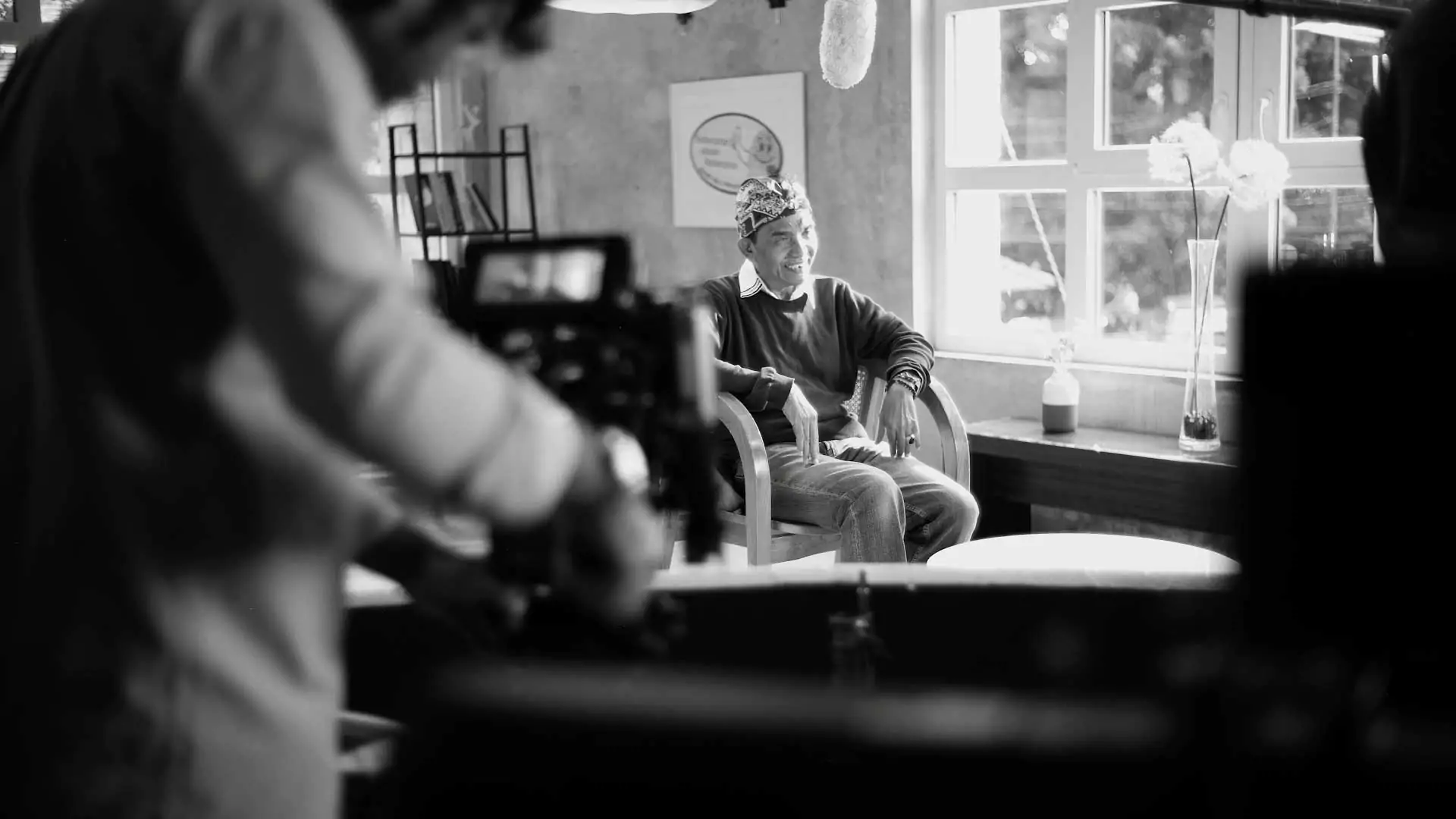
Give your subject space. Do not crowd them with gear. Keep the camera at a respectful distance, close enough to feel intimate but far enough that they are not staring into a black void. Use a longer lens so you can sit off to the side. That way they are talking to you, not to the lens.
Light them softly. Hard light feels like an interrogation. Soft, natural light feels warm and safe. If you are working with a small budget, bounce a single light off a white wall or use a window. The goal is to make them look like themselves, not like a suspect.
Turn off your phone. Ignore your notifications. Give them your full attention. That small act of presence says more than any words.
And here is a simple trick that works every time. Before you start the official interview, just chat for a few minutes with the camera rolling. Ask about their weekend. Ask about the photo on their desk. Ask about something completely unrelated to the film. They will relax. They will forget the camera is there. And then when you transition into the real questions, they are already in a natural rhythm.
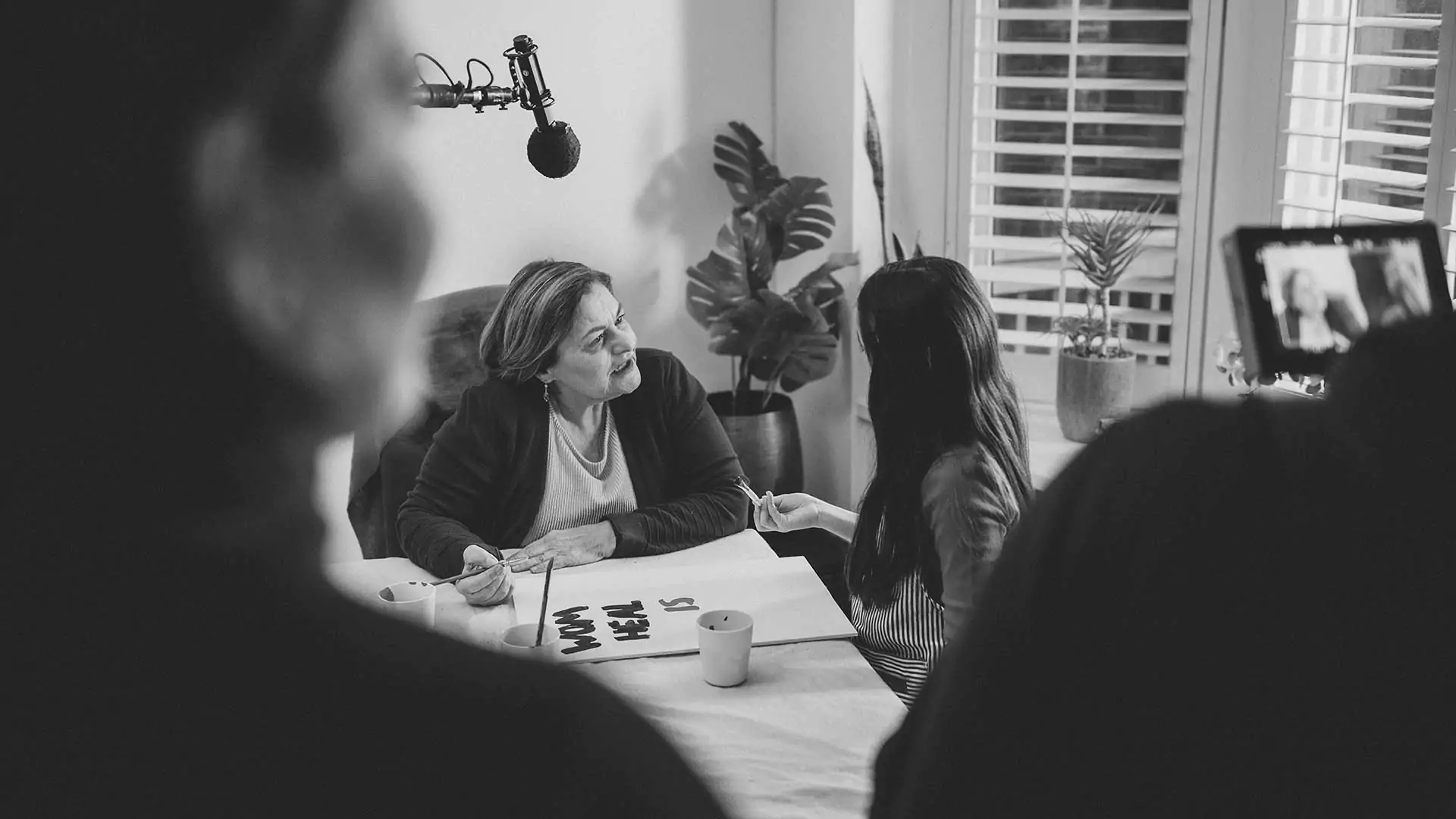
The Art of Listening (Not Just Waiting to Speak)
This sounds simple, but it is the hardest skill to learn.
When your subject is talking, do not interrupt. Do not nod aggressively. Do not jump in with your next question the second they pause. Let silence sit. Sometimes the best thing they will say comes after they think they are done talking.
If they get emotional, do not rush to comfort them. Just stay present. Let them feel what they feel. Your job is not to fix their emotion. Your job is to witness it with respect.
And when you do ask questions, ask open ended ones. Instead of “Did that experience change you?” try “What did that experience change about how you see the world?” The first question invites a yes or no. The second invites a story.
If you are filming in Toronto, you will meet people from every background imaginable. Film production Toronto means working with diverse communities, each with their own expectations around privacy, storytelling, and consent. Learn about those expectations before you show up. It shows respect.
Be Transparent About How the Footage Will Be Used
One of the biggest trust killers is ambiguity. If your subject does not know where the film will end up, they will hold back.
Be clear from the beginning. Is this for a non-profit fundraising campaign? A broadcast documentary? A corporate brand film? A personal project? Will it be on YouTube? Will their face and name be used? Can they review their quotes before the final edit?
Some documentary filmmakers resist giving subjects a right of review. I understand the purity of the approach, but for most non-profit and community work, that rigid stance is a luxury you cannot afford. Give your subjects a chance to see how they are portrayed. If you have done your job fairly, they will rarely ask for changes. But knowing they have that option makes them feel safe.
And if someone asks you not to include a specific moment, honour that. Even if it is the most cinematic moment of the day. Trust is more valuable than a single shot.
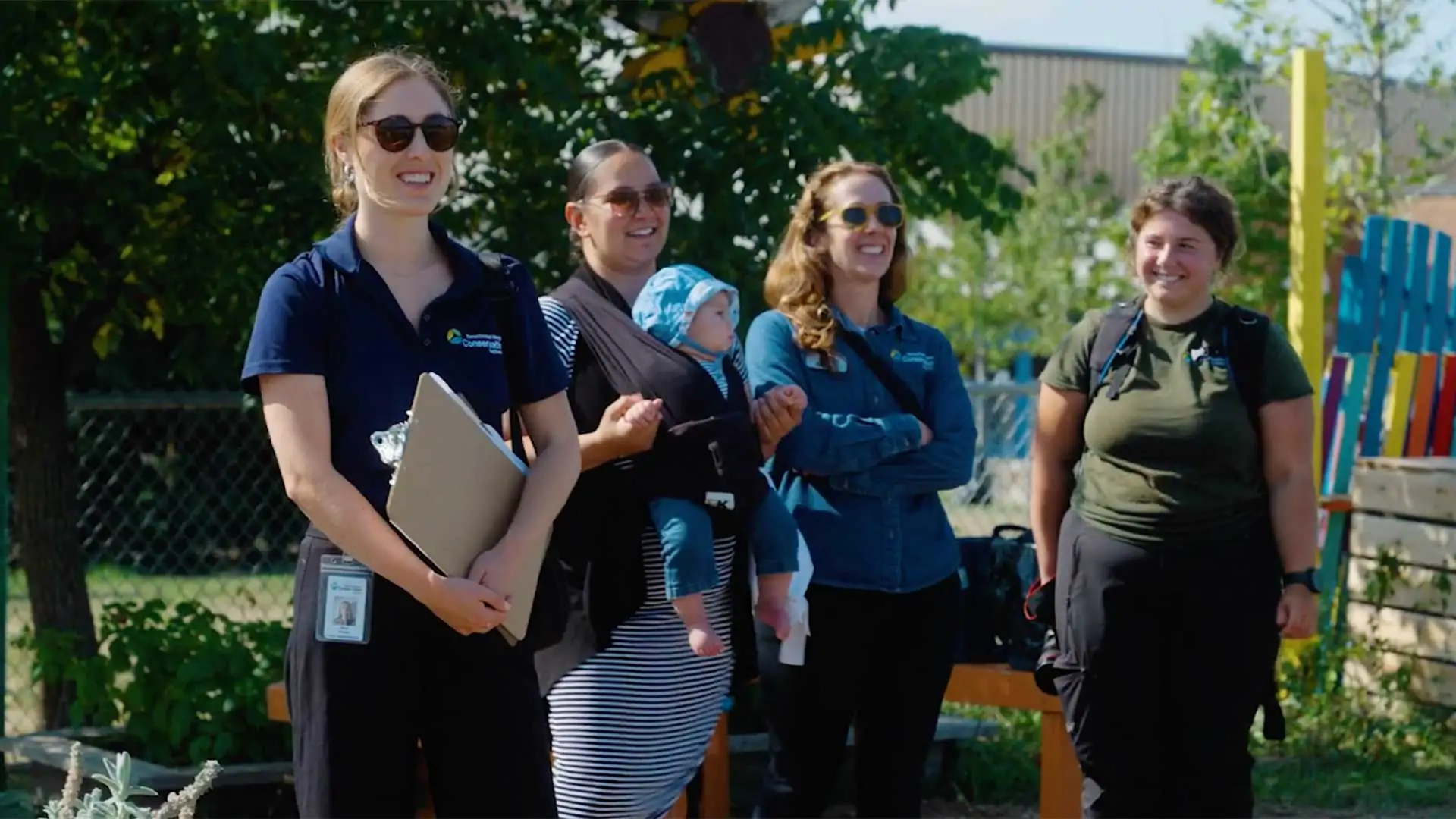
What to Do When You Mess Up
You will mess up. Everyone does.
Maybe you forgot to check the audio and half the interview is unusable. Maybe you pushed too hard on a painful topic and your subject shut down. Maybe you misrepresented something in a rough cut and they felt betrayed.
When that happens, do not hide. Apologize directly. Explain what went wrong. Ask how you can make it right. And then follow through.
I have had to make that call. It is not fun. But every time I have been honest about a mistake, the subject appreciated the honesty more than they resented the error. People understand that filmmaking is hard. They just want to know that you care about getting it right.
Why Your Documentary Background Matters (Even if You Are New)
You might be thinking: “I do not have years of experience. I cannot compete with the big documentary production Toronto companies.”
Here is the truth. Experience helps, but it is not everything. What matters more is your mindset. Are you showing up to extract a story or to listen to a human?
Beginners often have an advantage. They are not jaded. They have not developed shortcuts. They are willing to sit in the discomfort of silence because they do not yet know that there is supposed to be a faster way.
That authenticity is rare. And subjects can feel it.
So you do not need a broadcast credit or a million dollar camera. You need patience. You need respect. You need the willingness to put the person above the shot.
That is how you build trust. That is how you make a documentary that actually moves people. And that is how you grow from a beginner into someone who does this work with integrity.
Final Thought
The next time you sit across from someone who is nervous about being on camera, remember this. They are not afraid of you. They are afraid of being misrepresented, exploited, or forgotten.
Your job is to be the person who proves them wrong.
Listen. Be present. Keep your promises. And the trust will follow.
If you are looking for a film production Toronto team that takes this approach seriously, we would love to talk about your project. Whether you are a non-profit, a brand, or a first-time filmmaker, we treat every story with the care it deserves.